
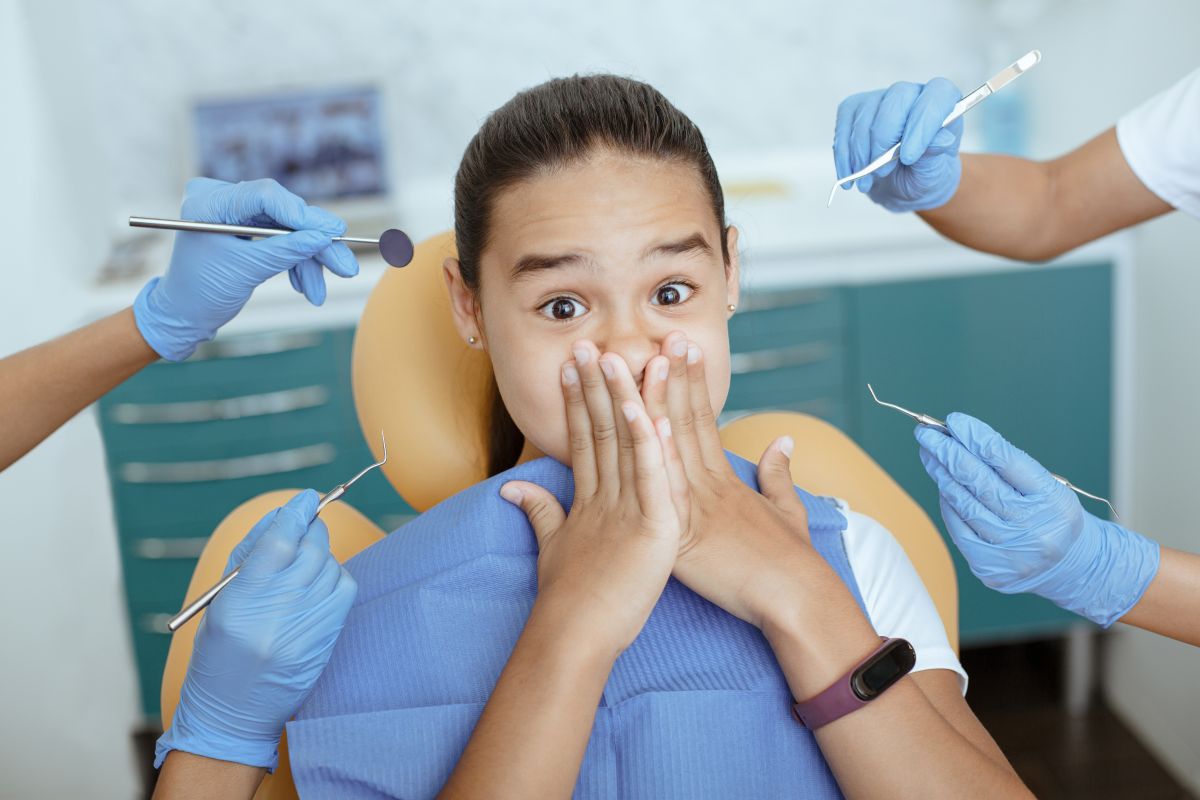
Pediatric dental anxiety is more common than many parents expect. Children may feel nervous, fearful, or resistant to dental visits even before they can clearly explain why. For some families, anxiety shows up as tears or avoidance. For others, it appears as restlessness, stomachaches, or strong emotional reactions before an appointment.
For parents searching for help with pediatric dental anxiety in Encino or the greater Los Angeles area, understanding what causes anxiety and how gentle dental care supports children can make the process feel far less overwhelming.
Why Pediatric Dental Anxiety Happens
Dental anxiety in children often develops for reasons similar to adults, but with fewer coping tools. Children are sensitive to unfamiliar environments, new sounds, and physical sensations. A dental office can feel loud, bright, and unpredictable if it is not designed with comfort in mind.
Some children develop anxiety after a single stressful experience, while others absorb fear indirectly from parents or siblings. Even well-intended reassurance can sometimes heighten anxiety if a child senses tension.
Understanding why dental anxiety is so common helps parents recognize that their child’s fear is not unusual and not a sign of misbehavior. Anxiety is a nervous system response, not a choice.
How Dental Anxiety Affects Children Over Time
When pediatric dental anxiety is not addressed early, children may begin to associate dental visits with stress or loss of control. This can lead to avoidance, resistance, or difficulty cooperating during appointments.
Over time, avoidance can allow small dental concerns to grow, which may increase fear even further. More importantly, early negative experiences can shape how children view healthcare well into adulthood.
Gentle, patient-centered dental care helps interrupt this cycle by creating positive, respectful experiences early on.
What Gentle Pediatric Dental Care Looks Like
An anxiety-sensitive approach to pediatric dental care focuses on emotional safety as much as clinical care. Children benefit from environments where they are allowed time to adjust, ask questions, and feel involved in what is happening.
Gentle pediatric dental care often includes explaining procedures in simple, age-appropriate language, offering breaks when needed, and allowing children to maintain a sense of control. The goal is not to rush treatment, but to build trust.
For anxious children, feeling heard and respected can make all the difference.
Pediatric Dental Anxiety Treatment Options and Support
There is no one-size-fits-all solution for pediatric dental anxiety. Some children feel comfortable with calm communication and reassurance alone, while others benefit from additional comfort measures.
Supportive options may include extended appointment times, a quieter setting, or tools that help children feel more relaxed. In some cases, parents may explore additional anxiety or sedation support options designed specifically to help children feel safe rather than overwhelmed.
Parents who want to learn more about these approaches can explore dental anxiety and sedation support and how it may be used thoughtfully for anxious patients.
Pediatric Dental Anxiety and Whole-Body Development
Dental anxiety does not exist in isolation. Children who struggle with breathing, sleep quality, or sensory sensitivities may experience heightened anxiety during dental visits. These factors can influence how children respond to physical sensations and unfamiliar environments.
A gentle, whole-body approach to pediatric dental care considers emotional comfort, airway health, and overall development together. Supporting children early helps create a positive foundation for both oral health and long-term well-being.
Helping Your Child Take the First Step Without Pressure
Parents often wonder whether to push forward or wait when their child feels anxious. In most cases, small, low-pressure steps are the most effective.
This might include starting with a conversation, a brief visit to meet the dental team, or an appointment focused on comfort rather than treatment. Allowing children to move at their own pace helps them feel empowered instead of fearful.
Parents navigating their own anxiety may also find it helpful to learn how to deal with dental anxiety so they can model calm and confidence for their child.
Finding Pediatric Dental Anxiety Care in Encino and Beyond
Families searching for pediatric dental anxiety care often look for a dentist who understands that fear is real and deserves patience. Whether you are searching locally in Encino or more broadly across Los Angeles, the most important factor is finding care that prioritizes trust, communication, and comfort.
With anxiety-sensitive pediatric dental care, many children who once felt fearful are able to develop confidence and positive associations with dental visits. Over time, this gentle approach helps transform anxiety into familiarity and trust.
Frequently Asked Questions About Pediatric Dental Anxiety
Is pediatric dental anxiety common?
Yes. Pediatric dental anxiety is very common, especially in young children or those with previous stressful experiences. Gentle care can help reduce fear over time.
What should I look for in a dentist for an anxious child?
Look for a dentist who prioritizes communication, patience, and emotional comfort. A supportive environment and unrushed approach are key for anxious children.
Can dental anxiety be treated without sedation?
Yes. Many children respond well to calming techniques, reassurance, and a gentle approach. Sedation or additional support may be considered when appropriate, but it is never the first or only option.
Will dental anxiety go away as my child gets older?
With positive, supportive experiences, many children become more comfortable over time. Early, anxiety-sensitive care plays an important role in long-term comfort.