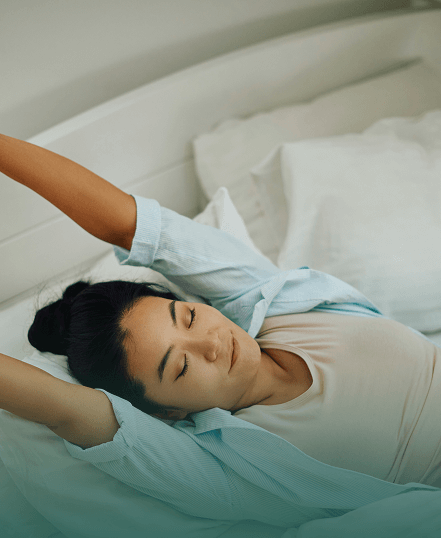



Good sleep is not optional. It is the foundation for energy, focus, recovery, and long-term health. When breathing is disrupted at night, the body never reaches deep, restorative stages of sleep. Patients often wake up tired even after eight hours in bed. They may struggle with headaches, fatigue, mood changes, or brain fog. Children may appear hyperactive, grind their teeth, or have difficulty paying attention in school.
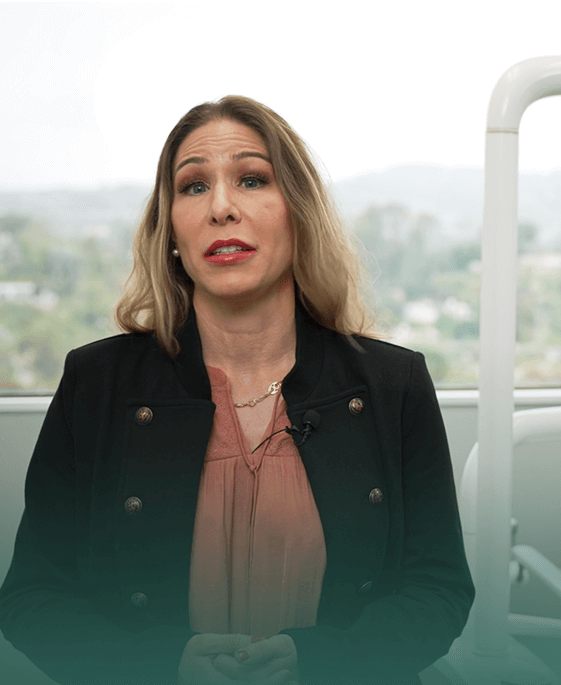
Q&A Clip: “What are some signs you may have a sleep disorder?”
Airway problems affect both adults and children, but the symptoms may look different.
Traditionally, sleep studies required overnight stays in a lab, which felt overwhelming for many patients. Dr. Wolfe recommends a better way: a simple, at-home screening that can be worn overnight in the comfort of your own bed.
How the At-Home Test Works
Track your sleep: The small device measures your oxygen and breathing patterns.
Sleep doctor review: A board-certified sleep physician reads your overnight data.
Expert talk: The sleep doctor discusses the final results directly with you.
Your Dental Appliance Options
If you receive a diagnosis, Dr. Wolfe reviews the sleep doctor’s report. Dr. Wolfe then checks if a custom oral appliance can help you. This comfortable dental piece keeps your airway open so you can breathe easily all night.



Many parents come to Dr. Wolfe because they sense something is not right. They notice snoring, restless sleep, or daytime behaviors that feel unusual, but they are told to wait and see. At our practice, those concerns are never dismissed.
A: An overnight pulse oximeter test worn at home, with results provided in a clear, color-coded report that Dr. Wolfe reviews in detail.