Why Sleep Matters — Energy, Focus, Behavior

Could Better Sleep Start at the Dentist?

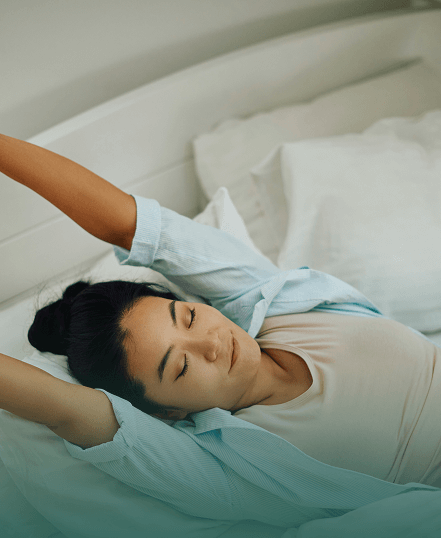
Good sleep is not optional. It is the foundation for energy, focus, recovery, and long-term health. When breathing is disrupted at night, the body never reaches deep, restorative stages of sleep. Patients often wake up tired even after eight hours in bed. They may struggle with headaches, fatigue, mood changes, or brain fog. Children may appear hyperactive, grind their teeth, or have difficulty paying attention in school.

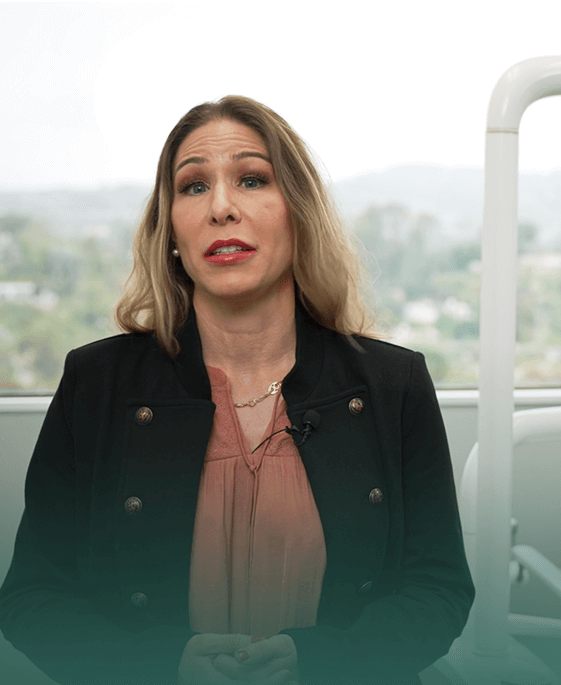
These patterns are often missed because most people do not think to ask a dentist about sleep. But as Dr. Wolfe has discovered, the signs of airway dysfunction are written in the mouth and jaw. Worn teeth, clenching, narrow arches, or tongue position can all reveal that the airway is not functioning properly. By identifying these clues, Dr. Wolfe helps patients connect dental symptoms with larger health concerns and finally get the answers they have been searching for.

Q&A Clip: “What are some signs you may have a sleep disorder?”

Signs of Dysfunction in Adults and Kids

The Signs of Airway Dysfunction

 Airway problems affect both adults and children, but the symptoms may look different.

Q&A Clip: “What early signs can parents look for when spotting airway concerns like snoring, mouth breathing or grinding?”

Sleep Apnea Screening (At-Home Oximetry Studies)

Simple At-Home Sleep Screenings

Traditionally, sleep studies required overnight stays in a lab, which felt overwhelming for many patients. Dr. Wolfe offers an alternative: a simple, at-home screening that can be worn overnight in the comfort of your own bed. The device measures oxygen levels and breathing patterns while you sleep.
The next day, results are generated into a clear, color-coded report. Dr. Wolfe reviews each report carefully and explains it in everyday language so patients know exactly what is happening and what options they have. This approach removes the confusion and intimidation from sleep medicine, giving patients clarity and control over their care.

Q&A Clip: “How can I take an at-home sleep test?”

Q&A Clip: “How can oral appliances improve breathing and sleep?”

Oral Appliance Therapy (MAD Devices)

Treatments That Support Better Breathing and Sleep

Once airway concerns are identified, Dr. Wolfe helps patients explore treatment options that are comfortable and effective. For adults, custom oral appliances are often recommended. These appliances reposition the jaw and tongue to keep the airway open, providing a quiet and travel-friendly alternative to CPAP machines.
For children, growth guidance and airway development strategies are considered, so they can grow into healthier breathing patterns and prevent more serious issues later in life.
Every recommendation is tailored to the patient, based on their unique needs and comfort level. The focus is always on empowering patients with simple, effective steps that improve both sleep quality and overall wellbeing.

Nasal Hygiene and
Breathing Education

Many parents come to Dr. Wolfe because they sense something is not right. They notice snoring, restless sleep, or daytime behaviors that feel unusual, but they are told to wait and see. At our practice, those concerns are never dismissed.

WATCH: How to check if you are breathing through the nose

FAQ

Q: What is an at-home sleep study?

A: An overnight pulse oximeter test worn at home, with results provided in a clear, color-coded report that Dr. Wolfe reviews in detail.

Q: How are oral appliances different from CPAP?
A: Oral appliances gently reposition the jaw and tongue to keep the airway open, offering a smaller, quieter, and more comfortable option compared to CPAP.
Q: What are common signs of sleep apnea or airway dysfunction?
A: Adults often experience fatigue, headaches, poor focus, or waking up gasping. In children, common signs include snoring, grinding, mouth breathing, or hyperactivity.
Q: Can kids benefit from airway and sleep treatment too?
A: Yes. Treating airway issues early can improve sleep quality, focus, and growth while reducing the risk of more complex problems later.


 Take the First Step Toward Better Sleep.

Start with a simple at-home sleep screening or a conversation about your concerns. The path to more energy, better focus, and long-term health can begin with one easy step.