A dental crown that comes off is unsettling, but it is not an emergency in the way that severe pain or swelling is. In most cases, you have a short window of time to act calmly and protect the tooth until you can be seen. What you do in the next few hours matters, and it is straightforward.
Step one: find the crown and keep it
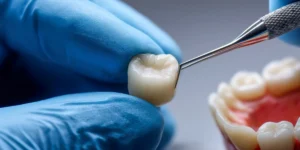
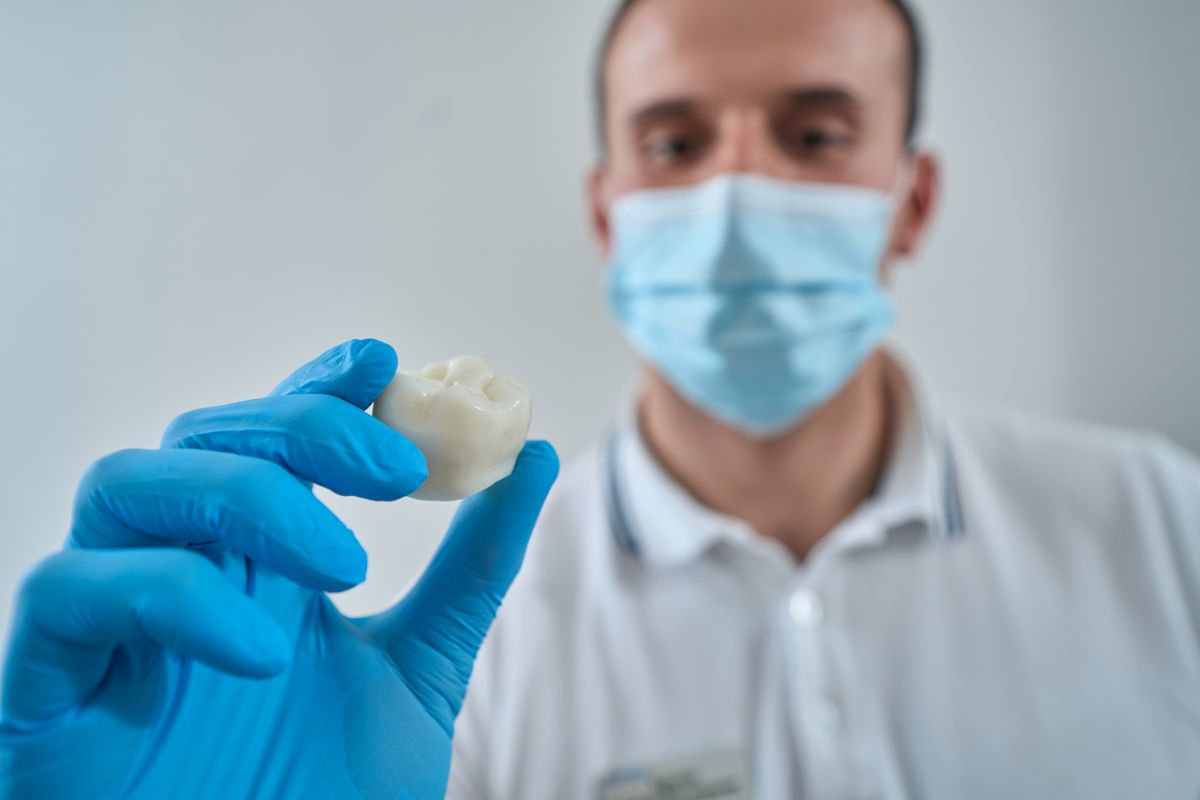
If the crown came off in one piece, keep it. Do not throw it away. In some cases it can be recemented onto the tooth, which is simpler and less costly than fabricating a new one. Rinse it gently with water and store it somewhere safe, ideally in a small zip bag or a container where it will not be lost or damaged.
If the crown broke or cracked when it came off, keep the pieces anyway. Bring them to your appointment so Dr. Wolfe can assess whether the crown can be repaired or whether a new one needs to be made.
Step two: look at the tooth underneath
Once the crown is off, examine the tooth. You are looking for two things: whether the tooth itself appears intact, and whether there is any visible decay or dark discoloration at the base of the tooth or along the margin where the crown sat.
A tooth that looks clean and intact with no visible damage is in better shape than one with visible decay or a fracture. Either way, call the office. What you see will help Dr. Wolfe triage the appointment and prepare for what may be needed.
Step three: manage the sensitivity
The tooth under a crown is prepared, meaning it has been shaped and reduced. Without the crown covering it, the dentin is exposed and the tooth will likely be sensitive to temperature, air, and pressure. This is normal and expected. It is not a sign the tooth has been damaged.
To reduce sensitivity before your appointment:
- Avoid very hot or cold food and drinks on that side
- Chew on the opposite side of your mouth
- If the tooth is sharp and irritating your tongue or cheek, a small piece of dental wax pressed gently over the surface can help
Over-the-counter dental cement, available at most pharmacies under names like Dentemp or Recapit, can be used to temporarily reseat the crown if it is intact and fits back onto the tooth cleanly. This is a short-term measure only. Press the crown gently into place, wipe away any excess cement, and avoid chewing on it. Do not use household adhesives, super glue, or anything not specifically made for dental use.
When to treat it as urgent
In most cases a lost crown can be addressed within a day or two without serious consequences. However, contact the office the same day if:
If the tooth underneath is painful, bleeding, or sharp enough to catch your tongue, treat it as urgent rather than waiting for a routine opening. Our emergency dentist page for Encino explains how same-day appointments work and what to bring with you.
- The tooth is in significant pain, not just mild sensitivity
- There is visible fracture of the underlying tooth
- The crown came off a tooth that had a root canal and the tooth is now painful (a root canal-treated tooth should not have nerve pain, so pain in this situation needs prompt evaluation)
- You cannot find the crown and the exposed tooth has sharp edges causing soft tissue irritation
Encino Gentle Dental accommodates same-day and same-week appointments for situations like this. If you are in Encino, Sherman Oaks, Studio City, or Calabasas and your crown has come off, call the office directly rather than waiting to see if it resolves on its own.
Why crowns come off
A crown that has come loose or fallen off is not necessarily a sign that something was done incorrectly. The most common reasons include:
- The dental cement that holds the crown has worn down over time, which is a normal part of a crown’s lifespan
- New decay has developed at the margin between the crown and the tooth, breaking the seal
- The tooth structure underneath has shifted or worn in a way that affects the fit
- Grinding or clenching has placed excessive force on the crown over time
- The crown was a temporary crown, which is designed to be removed and replaced
Understanding why the crown came off is part of how Dr. Wolfe plans the next step. If there is new decay underneath, that needs to be addressed before the crown is recemented or replaced. If grinding was a contributing factor, a bite evaluation and nightguard discussion may be part of the treatment plan.
Temporary crowns: a different situation
If it is a temporary crown that has come off, the situation is less urgent but still worth addressing promptly. Temporary crowns are made from a softer material and held with weaker cement by design, since they need to be removed when the permanent crown is ready. They do come off occasionally.
The tooth underneath a temporary crown is freshly prepared and more sensitive than a tooth under a permanent crown. Try to reseat the temporary using over-the-counter dental cement and contact the office to schedule a time to have it properly recemented or to check whether the permanent crown is ready to be placed.
Do not leave a temporary crown off for an extended period. The prepared tooth can shift, which may affect how well the permanent crown fits when it is ready.
What happens at the appointment
Dr. Wolfe will examine the tooth, assess the condition of the crown, and check for decay or fracture at the margin. If the crown is intact and the tooth underneath is sound, the crown can often be cleaned and recemented at the same visit using permanent dental cement.
If there is decay, a fracture, or the crown is damaged, more work will be needed before recementation. In some cases a new crown will need to be fabricated. Dr. Wolfe will explain what is needed and why before any treatment begins.
For patients who grind or have a history of crowns coming loose, the appointment is also an opportunity to evaluate bite balance and jaw function, since these factors directly affect how long a crown stays in place.
If you have dental anxiety
A crown coming off can feel alarming, and for patients with dental anxiety, an unplanned visit can add stress to an already uncomfortable situation. Dr. Wolfe’s practice is experienced in working with anxious patients. Sedation and comfort support are available, and every step of the appointment will be explained before it happens. If anxiety has been a barrier to regular care, this is something worth mentioning when you call. On the money side, how we check what your plan covers is explained before you come in.
Frequently asked questions
Can I eat with my crown off?
Yes, but carefully. Eat soft foods and chew on the opposite side of your mouth. Avoid anything hard, sticky, or very hot or cold on the side where the crown is missing. The prepared tooth underneath is vulnerable to temperature and pressure until the crown is back in place.
What if I accidentally swallowed the crown?
Swallowing a crown is more common than patients expect. In most cases it passes through the digestive system without causing harm. If you experience any chest discomfort, difficulty swallowing, or abdominal pain after swallowing a crown, seek medical attention. If the crown passes without symptoms, let Dr. Wolfe know at your appointment so a replacement can be made.
Will I need a completely new crown?
Not necessarily. If the crown is intact, fits well, and the tooth underneath is clean and sound, the existing crown can often be recemented. If there is decay underneath, a fracture, or the crown itself is cracked or damaged, a new crown will likely be needed. Dr. Wolfe will assess this at the appointment.
How long can I wait before coming in?
If you are not in significant pain and the tooth is stable, a day or two is generally manageable with proper temporary measures. Beyond that, the risk of sensitivity, tooth movement, or further damage increases. It is worth calling the same day the crown comes off to get on the schedule, even if the appointment is a day or two out.
Can this be prevented?
Some crown failure is related to the natural lifespan of the cement and materials involved. Other contributing factors, like grinding, bite imbalance, or poor marginal fit, can be identified and managed. Regular dental visits allow Dr. Wolfe to catch crowns that are beginning to fail before they come off entirely. For patients who grind, a custom nightguard is one of the most effective ways to extend the life of a crown. Learn more about how dental crowns are planned and placed at Encino Gentle Dental.