Crown materials have changed significantly over the past two decades. What was once a choice between metal and porcelain-fused-to-metal has expanded into a range of ceramic options that outperform older materials in almost every clinical measure. For most patients today, an all-ceramic crown is not a premium upgrade. It is simply the best available option for restoring a tooth.
Understanding what makes ceramic the preferred material helps patients make informed decisions about their own restorations and ask better questions when a crown is recommended.
What ceramic crowns are
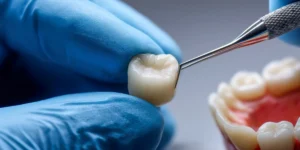
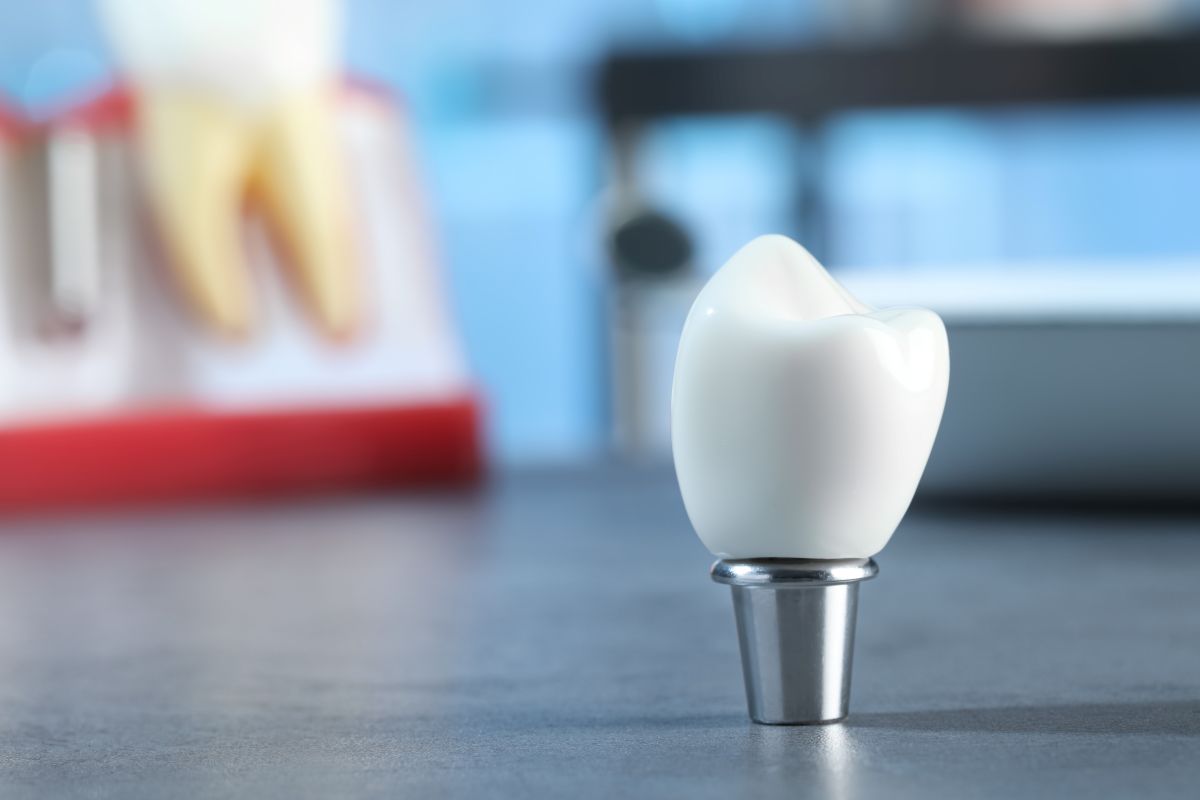
The term ceramic crown refers to a crown made entirely from dental ceramic material, with no metal substructure. This category includes several specific materials, most notably zirconia and lithium disilicate, each suited to different clinical situations. What they share is the absence of metal, the ability to match the color and translucency of natural teeth, and a strength profile that meets or exceeds older restoration types.
Porcelain-fused-to-metal crowns, the standard for much of the late twentieth century, consist of a metal base coated with a layer of tooth-colored porcelain. They were a significant improvement over full-metal crowns for visible teeth, but they carry limitations that all-ceramic materials have largely resolved.
Strength that matches the clinical demand
One of the earliest criticisms of ceramic crowns was that they could not withstand the bite forces required for back teeth. That was a legitimate concern with early ceramic materials. It is no longer accurate.
Zirconia, now widely used for posterior crowns, has a flexural strength that exceeds most metals used in dentistry. It resists fracture under the compressive forces generated by molar chewing in a way that earlier porcelain-based materials could not. Lithium disilicate, used frequently for front teeth and premolars, offers exceptional aesthetics alongside strength sufficient for most anterior and mid-arch restorations.
The result is a ceramic crown that holds up under real clinical conditions, including for patients who grind or clench, provided bite balance and occlusal loading are properly managed at the time of placement.
Biocompatibility and the case against metal
All-ceramic crowns are metal-free, which matters for a growing number of patients who prefer to avoid metal restorations entirely. The reasons vary: sensitivity or allergy to specific metals, a preference for biocompatible materials throughout the mouth, or concern about the long-term behavior of metal restorations over time.
Porcelain-fused-to-metal crowns can show a dark line at the gum margin as gum tissue recedes with age, revealing the metal base underneath. This is not a clinical failure, but it is a cosmetic issue that becomes more noticeable over time, particularly on front teeth. All-ceramic crowns do not have a metal margin and do not carry this risk.
The ceramic materials used today are also inert in the oral environment. They do not corrode, do not react with saliva, and do not contribute to sensitivity related to metal in the mouth. For patients who value biocompatible materials throughout their dental care, this is a meaningful consideration.
Aesthetics that hold over time
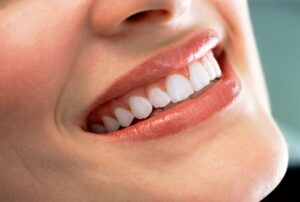
A ceramic dental crown is designed to match the color, translucency, and surface texture of the surrounding natural teeth. The best ceramic restorations are essentially indistinguishable from natural tooth structure under normal lighting conditions. This is possible because ceramic materials transmit light in a way that mimics natural enamel, rather than blocking it the way metal does.
Porcelain-fused-to-metal crowns are limited in this regard because the metal base blocks light transmission. The porcelain layer can approximate natural tooth color, but the result is often slightly opaque compared to a natural tooth or a well-made all-ceramic crown. On front teeth, where light transmission and translucency are visible in normal conversation, this difference is noticeable.
The aesthetics of a ceramic crown also tend to be more stable over the long term. The ceramic surface does not tarnish and does not stain the way some older materials can.
How material selection works in practice
Not all ceramic crowns are the same, and the choice of material within the ceramic category depends on several factors: the location of the tooth, the bite forces it must withstand, the amount of natural tooth structure remaining, and the patient’s aesthetic priorities.
Zirconia is generally the first choice for posterior teeth where strength is the primary concern. High-translucency zirconia formulations have improved significantly, making them appropriate for more visible teeth as well. Lithium disilicate is often preferred for front teeth and premolars where aesthetics are a higher priority and the bite forces are lower.
At Encino Gentle Dental, Dr. Wolfe selects crown materials based on the specific demands of each tooth and each patient. Bite balance, jaw function, and the patient’s history with grinding or TMJ symptoms all factor into which ceramic material is appropriate. Every restoration is planned with long-term function in mind, not just immediate aesthetics. Learn more about how dental crowns are planned at Encino Gentle Dental.
The role of bite balance in crown longevity
The best ceramic crown will not perform well if it is seated into a poorly balanced bite. One of the most common reasons crowns fail prematurely is not material failure but occlusal overload, where the crown is absorbing more bite force than it was designed to handle because the surrounding bite is not properly balanced.
This is especially relevant for patients with a history of grinding, clenching, or TMJ concerns. For these patients, a crown placed without addressing the underlying bite dynamics is at greater risk of chipping, loosening, or fracturing over time. Proper crown planning includes an evaluation of how the restored tooth will function within the full bite, not just how it looks in isolation.
What to expect from a well-made ceramic crown
A ceramic crown placed on a properly prepared tooth, into a well-balanced bite, with appropriate home care, typically lasts 10 to 15 years or longer. Some last considerably longer. The material itself is durable. The variables that most affect longevity are bite forces, home care habits, and whether grinding is managed with a nightguard when appropriate.
At regular dental visits, the margins of the crown, the health of the surrounding gum tissue, and the integrity of the restoration can be assessed before problems develop. This is one of the most effective ways to extend the life of a crown: catching early signs of wear or margin breakdown before they require more significant intervention.
Ceramic crowns as part of a comprehensive plan
For patients planning a broader restorative or cosmetic treatment, ceramic crowns integrate well with other tooth-colored restorations. When a tooth needs both structural restoration and cosmetic improvement, a ceramic crown accomplishes both goals at once, and the result can be coordinated with veneers, bonding, or whitening on surrounding teeth so that all visible teeth achieve a uniform, natural appearance.
Visit our cosmetic dentistry overview to understand how restorative and cosmetic planning work together, or learn more about comprehensive adult dental care at Encino Gentle Dental.
Patients from Encino, Sherman Oaks, Studio City, Calabasas, Tarzana, and the surrounding San Fernando Valley are welcome. Contact us to schedule a consultation with Dr. Wolfe.
Frequently asked questions
Are ceramic crowns as strong as metal crowns?
For most clinical applications, yes. Zirconia, the ceramic material most commonly used for back teeth, has a flexural strength that equals or exceeds many dental metals. Early ceramic materials had strength limitations that are no longer relevant to current restorations. The choice between ceramic and metal today is not primarily about strength — it is about biocompatibility, aesthetics, and the specific demands of the tooth being restored.
What is the difference between a ceramic crown and a porcelain crown?
The terms are sometimes used interchangeably, but there is a distinction worth understanding. A ceramic crown is all-ceramic with no metal component. A porcelain crown can refer to either an all-ceramic restoration or a porcelain-fused-to-metal crown, which has a metal substructure with a porcelain coating. All-ceramic restorations are generally preferred today for their aesthetics, biocompatibility, and the absence of a metal margin.
Can ceramic crowns be used on back teeth?
Yes. High-strength zirconia is routinely used for molar and premolar crowns and performs well under the bite forces generated by back teeth. The concern about ceramic strength on posterior teeth applied to older porcelain materials and is not applicable to modern zirconia restorations.
How do I care for a ceramic crown?
The same way you care for natural teeth: brushing twice daily, flossing around the crown margin, and attending regular dental visits. If you grind your teeth, a custom nightguard will protect both the crown and the surrounding teeth. Ceramic crowns do not require any special maintenance beyond consistent oral hygiene.