


Meet Dr. Elizabeth Wolfe
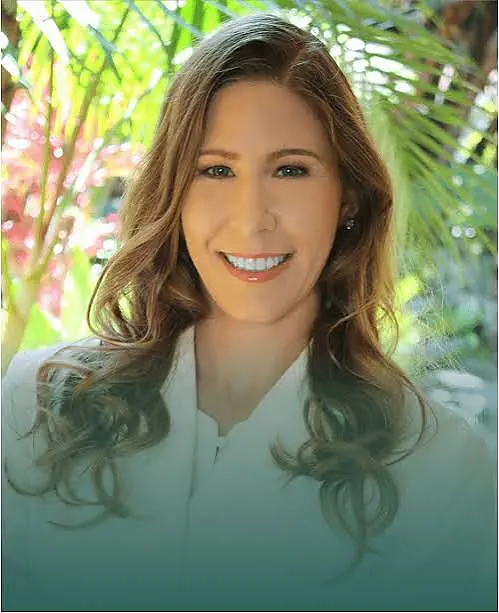
Why This Practice Exists
She Studied the Mind Before She Studied Teeth
Dr. Wolfe earned her Bachelor of Arts at the University of Southern California, with minors in psychology and philosophy. It is an unusual foundation for a dentist, and it turned out to be the right one. Understanding why a person freezes in a dental chair, and what actually helps them through it, is not a clinical skill taught in dental school.
She went on to earn her Doctor of Dental Surgery from the Herman Ostrow School of Dentistry of USC in 2011, where her coursework included selectives in special patient care and esthetic dentistry.
Her residency training pushed further in the same direction. At Staten Island University Hospital she completed a General Practice Residency treating adults, children, and patients with special needs. She then completed an advanced General Practice Residency caring for adult veterans, mentored by oral surgeons, prosthodontists, and periodontists.
Those are not the rotations you choose if you want easy cases. They are the ones that teach you to slow down, to earn trust before you pick up an instrument, and to treat the person rather than the chart.
Licensure and Memberships
Licensed Doctor of Dental Surgery, State of California.
Member of the American Dental Association, the California Dental Association, and the San Fernando Valley Dental Association.
A Different Set of Questions
Dr. Wolfe began her career grounded in traditional dental science: biology, function, clinical precision. But years of clinical experience kept surfacing the same pattern. Dental problems rarely arrived alone. Headaches, jaw pain, fatigue, clenching, and even behaviors in children that looked like ADHD kept turning up alongside airway and sleep dysfunction.
That pattern changed how she practices. Instead of treating only what was visible, she started asking different questions. Could better breathing mean more energy? Could guiding a child’s jaw early prevent a problem later? What was the patient’s own story telling her that the x-rays were not?
Today every exam at Encino Gentle Dental looks past the teeth, at breathing patterns, tongue posture, bite alignment, and signs of restriction. The goal is not simply to repair a tooth. It is to understand how what is happening in your mouth connects to how you sleep, how you feel, and how you will age.
Technology in Service of Comfort
Advanced tools matter here for one reason: they make dentistry smaller, quieter, and less frightening.
Laser dentistry allows many procedures to be done with less discomfort and less recovery. Biocompatible fillings, metal-free ceramic crowns, and ceramic implant restorations are chosen for how they work with the body, not only how they look. Digital diagnostics mean less guesswork and fewer surprises mid-treatment.
Comfort is treated as clinical care rather than a nice touch. Blankets and pillows. Noise-canceling headphones with music, meditation, or a podcast. Green-tinted calming glasses. A CES device to help settle an overstimulated nervous system. Sedation, when it is the right answer, matched to your anxiety level and your health history rather than offered from a menu.
You Set the Pace
Some patients want to move straight into treatment. Others need three visits before they are ready for anything at all. Both are welcome, and neither is treated as a problem to be managed.
Every step is explained before it happens. Questions are answered fully, not deflected. Nothing is decided for you.
If you have avoided the dentist for five years, or fifteen, you will not be lectured about it. You will be met where you are and helped forward from there.
Away From the Office
Away from the practice, Dr. Wolfe is usually with her family. She practices yoga, hikes, travels when there is a reason to, and reads. It is an unhurried list, which will not surprise anyone who has sat in her chair.