Worrying about pain is one of the most common reasons patients put off getting a crown, and it is also one of the most common reasons patients call us after one is placed. Both concerns deserve a straight answer rather than a vague reassurance.
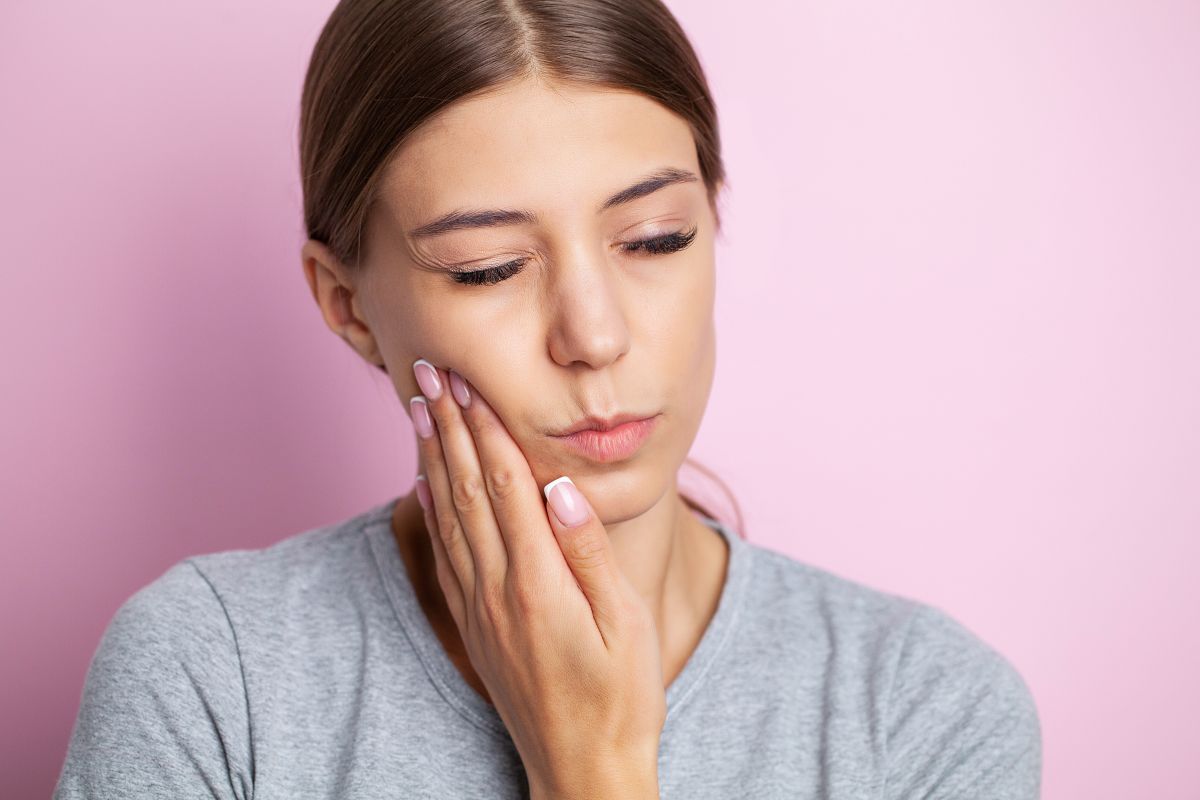
The short answer: getting a crown placed is not painful, since the tooth is numbed for the procedure itself. Mild soreness and sensitivity to hot or cold in the days afterward are normal and usually fade within one to two weeks. Pain when biting down, pain that increases rather than improves, or pain that lasts beyond two weeks is not something to wait out. That is worth a call.
Is getting a dental crown itself painful?
The tooth is numbed with local anesthetic before any preparation begins, the same as it would be for a filling. Most patients feel pressure and vibration during the procedure, not pain. Once the numbness wears off, usually within a few hours, some tenderness in the gum tissue and the tooth itself is common, similar to what you would expect after any dental work involving numbing and tooth preparation.
If dental anxiety is part of what has kept you from booking, that concern is worth naming directly rather than pushing through it. A practice experienced with anxious patients can walk through the process before it starts and adjust pacing, so nothing feels rushed.
What’s normal in the days after a crown is placed
Mild soreness where the gum was worked on, and sensitivity to hot, cold, or sweet foods, are both common in the first several days. This happens because the tooth was recently prepared and, in some cases, because the nerve inside the tooth is still settling after the procedure. For most patients, this fades noticeably within a few days and resolves within one to two weeks.
If a temporary crown is in place while a permanent one is being fabricated, some discomfort around the temporary is also normal. Temporary crowns are not seated with the same permanence as the final restoration, and mild sensitivity or a slightly different bite feel during this period is expected. Here is what each visit in the process actually involves, including what to expect from the temporary phase.
Why does my crown hurt when I bite down?
Pain specifically when biting down, especially if it appeared right after the crown was placed, usually points to one thing: the crown is sitting slightly high and taking more of the bite force than it should. This is a mechanical issue, not a sign of infection or a failed procedure, and it is typically fixed with a short adjustment appointment where a small amount of the crown surface is smoothed down.
This is also why the bite check at placement matters so much. A crown that is checked and adjusted carefully at the time it is seated is far less likely to cause this kind of pain afterward. This is one of the details worth asking about when choosing a crown dentist, since a rushed bite check is one of the more common reasons patients end up back in the chair for an adjustment.
Pain in a tooth that already had a root canal
If the crowned tooth previously had a root canal, some patients expect no sensation at all, since the nerve was removed. Mild pressure sensitivity can still occur from the surrounding ligament and bone, even without a nerve inside the tooth itself. Sharp or worsening pain in a root canal-treated tooth is different and should not be assumed to be normal bite adjustment soreness. Here is more on why these teeth need a crown in the first place and what to expect from that specific case.
When crown pain is not normal
A few patterns are worth calling about rather than waiting through:
Pain in this category is worth a same-day call rather than a wait-and-see. If the appointment itself is the part you are dreading, our sedation options in Encino run from nitrous through to IV, and getting seen quickly is covered on our emergency dental care page.
- Pain that gets worse instead of better over several days, rather than gradually fading
- Sharp pain when biting that does not improve after the first few days, which often means a bite adjustment is needed
- Pain lasting beyond two to three weeks with no improvement
- Throbbing pain, swelling, or a bad taste near the crown, which can indicate infection and should be evaluated promptly
- A loose or shifting crown, which can cause pain on its own and should not be left in place. If the crown feels loose or has come out entirely, here is what to do while you get seen
None of these are reasons to panic, but they are reasons to call rather than wait. A quick evaluation usually resolves the issue with a straightforward adjustment.
Why some patients feel more pain than others
Pain tolerance and pain perception genuinely vary between patients, and there are also real clinical reasons why one person’s experience differs from another’s. A tooth with deep decay or a large crack tends to have more inflamed tissue underneath, which can mean more sensitivity after the crown is placed compared to a tooth that needed a crown mainly due to a large old filling. Patients who clench or grind their teeth, even without realizing it, also tend to notice more soreness, since additional force is being placed on a tooth that is still settling into its new restoration. If grinding is a factor, a nightguard can reduce both the initial soreness and the risk of problems with the crown later on.
Frequently asked questions
Is it normal to have pain after a crown?
Mild soreness and temperature sensitivity are normal for the first one to two weeks. Pain that is sharp, worsening, or centered around biting pressure past the first few days is not something to wait out.
How long does crown pain last?
Typical post-placement sensitivity fades within one to two weeks. If discomfort is still present after that window, or if it is getting worse rather than better, it is worth having the tooth checked.
Can a loose crown cause pain?
Yes. A crown that has loosened can allow bacteria or food underneath, cause bite misalignment, and irritate the tooth or gum. A loose crown should be evaluated rather than left in place, even if the pain is mild.
Why does my crown hurt weeks after it was placed?
Pain that appears well after placement, rather than in the first couple of weeks, is different from normal post-procedure soreness and is worth having evaluated. It can indicate a bite that has shifted, a crack, or in some cases an issue with the tooth underneath the crown.
Does getting a temporary crown hurt more than a permanent one?
Temporary crowns can feel slightly more sensitive since they are not sealed with the same precision as a final restoration, but significant pain is not expected. Ongoing pain with a temporary crown in place is worth a call rather than something to push through until the permanent crown is ready.
What this looks like at our Encino practice
Dr. Wolfe treats patients from Encino, Sherman Oaks, Studio City, Calabasas, and Tarzana, and every crown placement includes a full bite check at the time of seating, which is one of the most effective ways to prevent the biting pain described above. Numbing, pacing, and clear explanation of each step are standard for patients who feel anxious about the procedure itself. If you are dealing with pain from an existing crown, or considering one and want to understand what to expect, our crown page covers the full process from evaluation through placement.
Pain that lingers or worsens after a crown is not something to simply live with. A short evaluation usually identifies exactly what is going on and how quickly it can be resolved. If cost is a worry, how a repair visit is quoted is set out plainly.